

WHEN SHOULD YOU MULCH YOUR GARDEN
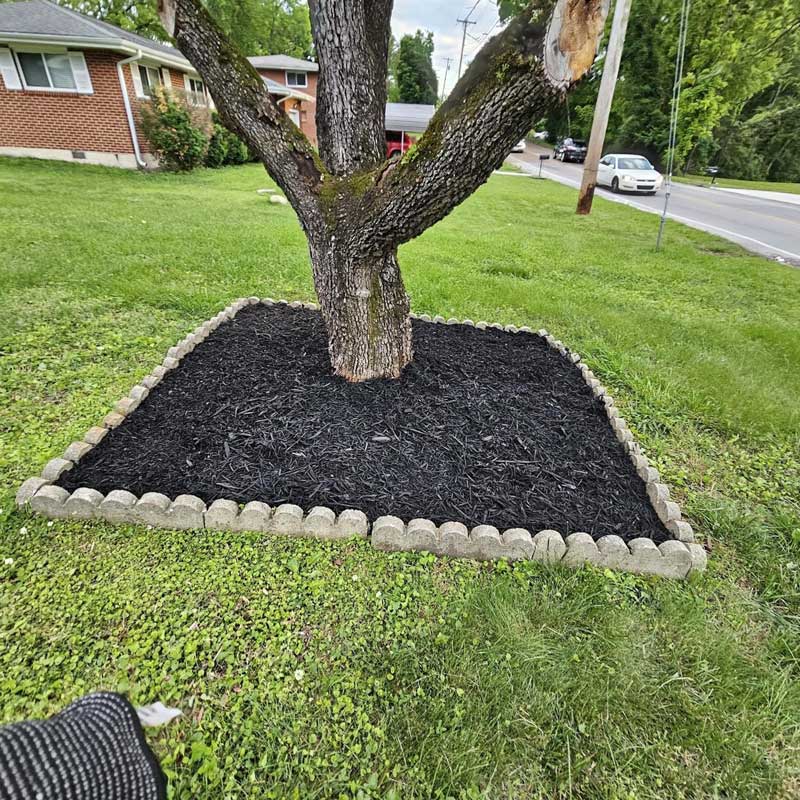
Mulch is one of the best investments you can make for your property. It does far more than just look good—it acts as a protective blanket that keeps your soil healthy and your plants thriving. It Defines the boundaries between your lawn and garden beds. Provides a dark, clean background that makes plant colors pop. Covers bare soil and imperfections with a neat, professional texture. Blocks sunlight to stop ugly weeds from sprouting and taking over.
NEXT
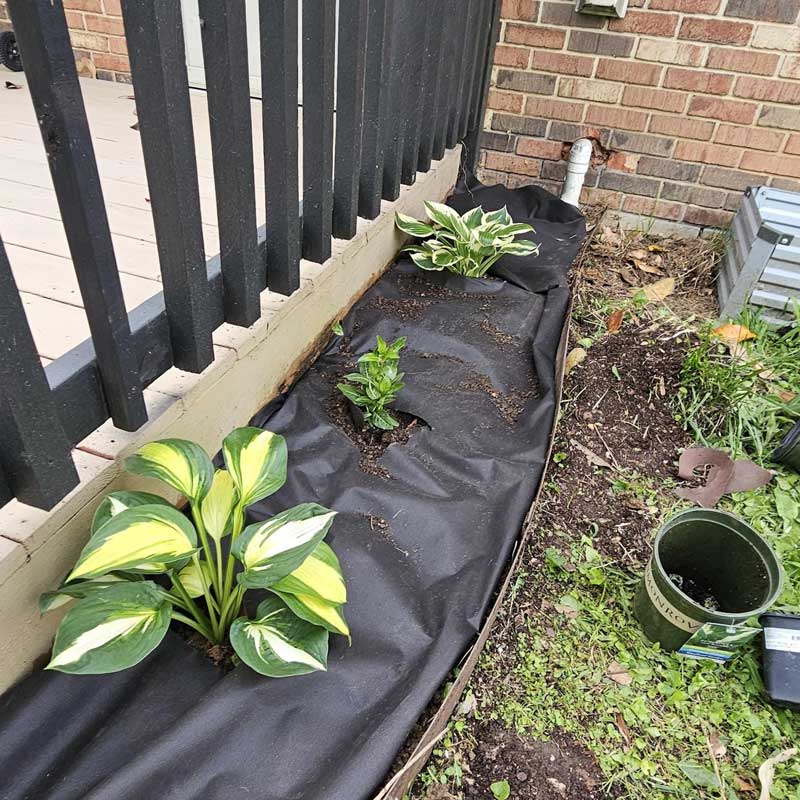
We prep your garden beds by pulling weeds and clearing away debris. Next, we cut a sharp, deep edge along the perimeter to create a clean barrier that keeps your grass and mulch perfectly separated. Finally, we rake out a smooth, even layer of premium mulch at the ideal depth, making sure to pull it back from tree trunks and plant stems to prevent rot. This careful process takes the hard labor off your shoulders, leaving you with beautiful, low-maintenance landscape beds that stay healthy and look pristine all season long.
The ideal time to mulch your garden is in mid-to-late spring once the soil has fully warmed up and your spring planting is complete. Applying mulch too early in the spring traps freezing temperatures in the ground and delays root growth, while waiting until the scorching summer heat can cause you to lose precious soil moisture. A secondary, lighter layer can also be applied in late fall after the first hard freeze to insulate perennial roots and protect them against winter’s harsh freeze-thaw cycles. For the best results, always weed your beds thoroughly and water the soil deeply right before spreading a fresh, two-to-three-inch layer of mulch.
For traditional flower beds and landscaping, shredded bark or wood chips are ideal because they decompose slowly and look highly polished. If you are mulching a vegetable garden, opt for straw, shredded leaves, or clean grass clippings instead. These organic, lightweight materials break down rapidly over a single season, enriching your soil with vital nutrients just in time for your next planting cycle.
